An Airline Career Query & No Good Answer
Directed my way by a leader familiar with my connection to aviation, an Eagle Scout e-mailed me this question: “I want to become an airline pilot when I get older and I’d like to know where to start? What things can I do as a high schooler or…I read somewhere that taking a ground school would be a good idea?”
The older I get the more I dislike airline career questions because they put me in an uncomfortable position of finding a middle ground between crushing someone’s dreams with the reality of aviation today and leading them on with blue skies and tailwinds that will, in most cases, come to an unhappy conclusion, if they get that far. Avoiding the question is another option, but it is equally distasteful.
When these questions are posed to you, especially those of you who now make a living as an airline pilot, how do you answer them?
Deciding on any career is a momentous decision for anyone, I responded, and wrote that he was off to a good start with research rather than a decision. That was especially true now that the FAA’s new ATP requirements for all airline pilots had changed the return-on-investment equation for those who aspire to it.
Giving an example, I shared the knowledge provided by several recent graduates saddled with more than $100,000 in student loans for their four-year professional pilot aviation bachelor’s degrees and the prospect of paying that back when their first airline jobs will pay little more than $30,000 a year…once they get their ATP, that is.
Offering some redirection, I explained that aviation embodies a wealth of careers not in the cockpit, and I urged my interlocutor to explore any interests he might have in engineering, management, or administration. Instead of taking a ground school course, I suggested that he’d better invest his time with his high school classes in science, math, and English.
A ground school course would only be of benefit now if he decided to invest the time and money in his first pilot certificate, and that a local flight school could provide the necessary details. Ultimately, I concluded, he needed to pursue his research with those now employed in the field he aspires to, and gave him some leads to establish those connections.
Since I clicked “send” I have not heard back from him, and I worry about the emotional consequences of my words. Looking at it pragmatically, no matter how I answered his question my answer was sure to involve some anguish and suffering; the only difference was when, now or later. — Scott Spangler, Editor
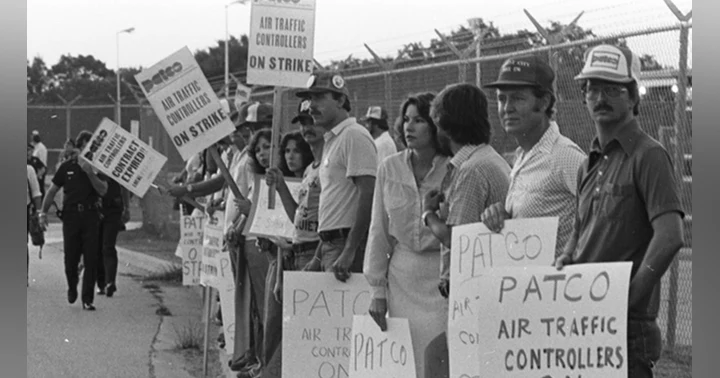
ATC: 45 Years After the PATCO Strike