Are Tower Controllers an Endangered Species?
 Years ago in another life, I was a VFR tower controller at a number of then really busy airports, Chicago Palwaukee (now Chicago Executive), Chicago DuPage, Chicago Meigs and Miami Opa-Locka.
As a pilot and a newly minted flight instructor, I always enjoyed the chance to chat with student and private pilots who would appear at the base of the tower and ask to come up for a tower tour. We’d talk about the local airport and how they we might all work better together for a faster, safer operation.
Since 9/11, it is much more difficult to visit airport control towers … not impossible, but certainly much tougher.
Now, a move to transform VFR towers into remotely operated ATC facilities might make it even less likely pilots will be visiting tower cabs at their local airport. Indeed, local air traffic controllers could well go the way of the flight engineer … nice to have, but not necessary.
The goal is — wait for it — a cost-saving move. First there was the move to contract out low traffic-count facilities. Now they want to run them by remote control.
The trick that makes it all possible involves remote TV cameras that would give controllers in a central facility a chance to view airport operations from hundreds or even thousands of miles away. If you only need a place to mount TV cameras, you also don’t need to build costly air traffic control towers.
The first test took place this year in Sweden where a Coast Guard aircraft was cleared to land at an airport from a facility 100 km away using remote vision. Aspen Airport is another place where remote cameras might soon be used to supplement what controllers can see out the window.
I remember when piloting an aircraft from a remote location was simply a past time for the people who built airplanes in their basements. Now Unmanned Aerial Vehicles (UAVs) represent a significant direction in the future of aircraft. How much longer before NextGen begins completely automating ATC?
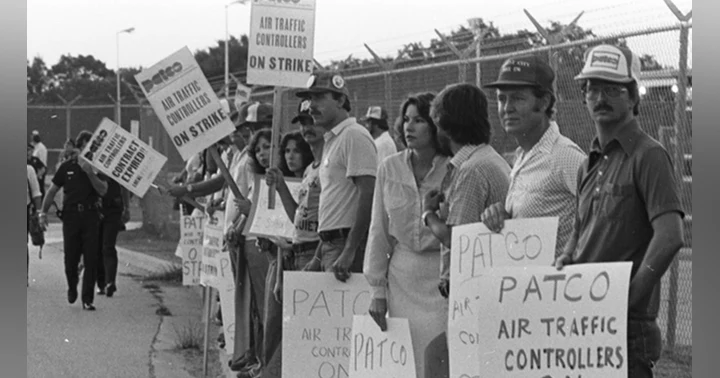
ATC: 45 Years After the PATCO Strike