Aviation Safety: What Has Become of Us?
 Oh, the irony of progress.
In 2005, the FAA issued its first Safety Alert for Operators, “an information tool that alerts, educates, and makes recommendations to the aviation community [that] includes air carrier certificate holders, fractional ownership program managers, and 14 CFR Part 142 training centers.” There’s no irony in this, or the next paragraph:
“Each SAFO contains important safety information and may contain recommended actions. SAFO content should be especially valuable to air carriers in meeting their statutory duty to provide service with the highest possible degree of safety in the public interest. The information and recommendations in a SAFO are often time critical.”
Here’s the irony: SAFO 13002 (released last week) is dedicated to Manual Flight Operations. Why? I’ll let the FAA explain: “A recent analysis of flight operations data (including normal flight operations, incidents, and accidents) identified an increase in manual handling errors. The [FAA] believes maintaining and improving the knowledge and skills for manual flight operations is necessary for safe flight operations.”
In other words, the FAA is saying that failure of the flight management system and autopilot is now a critical in-flight emergency that demands special training and practice: flying an airplane by hand. Many are aghast at this recommendation, but they shouldn’t be. Technology has so infiltrated flight that “manual flight” is only the latest of a number of similar recommendations the FAA has made since it created SAFOs in 2005.
 In SAFO’s inaugural year, the FAA said that normal flight operations did not require “Multiple Full-Deflection, Alternating Flight Control Inputs,” which in 2001 tore the rudder and vertical stab off an Airbus A300.
In 2006, a SAFO recommended “Remedial Training for Part 121 Pilots” with persistent performance deficiencies. This was led by several incidents, including an MD-10 pilot who forgot to arrest the descent rate—flare—before touchdown. In another burst of irony, another SAFO that year recommended “Bounced Landing Training” for Part 121/135 operations.
In 2007 there was “Thrust Lever Position During Landing with One Deactivated Thrust Reverser on Airbus A318, A319, A320, A321 Series Airplanes.” Apparently it’s legal to fly with one reverser deactivated. Knowing this, some pilots opted to yank just one reverse control, the one they thought was connected to the working unit. Always grabbing both levers solved this problem.
 2008 was another bad one for pilots, who needed to be reminded about the importance of Standard Operating Procedures on takeoff, especially in the DC-9/MD-80/Boeing 717 series of airplanes, and how to taxi on snow and ice. It seems a lot of airliners slid off the pavement that winter.
2009 includes my favorite, because it was reported by an FAA safety inspector who was in the jump seat. The first officer’s cell phone rang with its warbling tone at V1 (the go/no-go decision speed in an airliner’s takeoff run). Confused by the unexpected “alarm,” they aborted the takeoff.
In 2010 a SAFO urged a “Go-Around Callout and Immediate Response” regardless who makes the call, the pilot flying or the pilot not flying. While sorting out who had the runway in sight during an ILS to minimums, the ERJ-170 (luckily) landed on—and slid off the end of—the runway. And in 2011, a SAFO reiterated what seem to be “common sense” ways to avoid runway incursions.
Because most SAFOs usually target commercial operations, general aviators should not now be feeling smug. We are even more vulnerable to the seduction of technology because we don’t have the recurrent training structure or requirements that have made the US commercial and corporate flight operations the world standard for safety.
My point is this: Since powered flight became a reality, every advancement in aviation technology has unintended consequences when the humans using it divert their attention from their primary responsibility—keeping everyone on the aircraft safe. That we continue to repeat the same mistakes that have claimed pilots and their passengers for more than a century is, perhaps, the ultimate irony. Or maybe this fact points to a character flaw that few aviators publicly acknowledge. — Scott Spangler, Editor
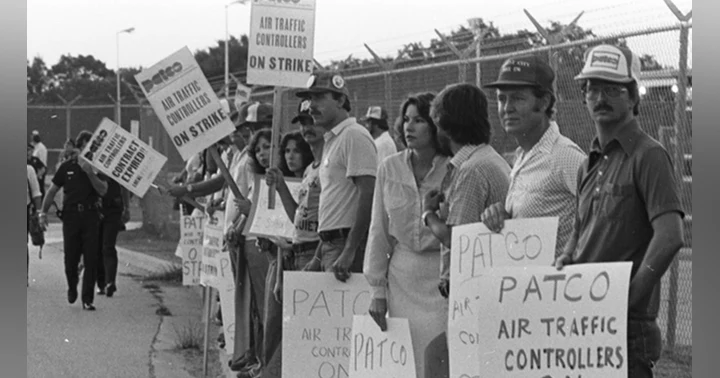
ATC: 45 Years After the PATCO Strike