Aviation Supply vs. Demand – The Business Aviation Option
I’m not an economist so perhaps I tend to oversimplify some things, but I find the concept of supply and demand a bit puzzling, especially when it comes to parts of our own industry that claim to focus on the need to constantly improve customer loyalty. Case in point is the story in London’s Telegraph.co.uk the other day.
There was a fire a few weeks ago in the tunnel that runs beneath the English Channel between London and Paris that dealt a crippling blow to rail service from both sides of the water. Interestingly, just as rail service began to crumble because of the fire, the prices on airline tickets between these two cities began to skyrocket.
 Paris to London by plane is just under a 200 nm trip and yet within hours of the tunnel mess, fares for a round trip between LHR (London Heathrow) and CDG (Charles de Gaulle) rose to nearly US$1100 on British Airways, with Air France close behind at about US$1000. Even the low-cost carriers jumped into the fray gouging people where they could.
British Airways defended its actions by claiming the addition of larger equipment needed to cope with demand. Then they claimed the carrier’s automatic fare ladder was to blame, the mechanism the raises fares as the number of seats declines.
And here in the U.S., as the price of oil has dropped dramatically – occasionally below $100 a barrel – the airlines have also not altered their fee structures one bit. In fact, my old friends at United increased their nickel and dime efforts last week for everyone who is not a Super, Platinum, Elite, Gold card holder.
In English, that means the riff-raff class that fly United pay if they want to bring a bag on board. Southwest Airlines, as usual, seems to be the only carrier holding the line on avoiding the domino-like drive to charge for everything. I’m thinking a jetway boarding fee can’t be far away.
So back to element of supply and demand that has escaped most travelers today. Companies, like the airlines, are not required to raise prices as the number of seats decline.
They choose that option and it’s one that we business people who fly the airlines have been putting up with for years, Platinum Elite member or not. In Europe, the lack of rail access through the tunnel had nothing to do with how many seats the airlines could provide. The European carriers saw an opportunity to cash in. And like sheep, airline passengers fell for it.
Business Aviation: A Superb Solution
Business aviation is at a turning point right now as aircraft manufacturers like Cessna, Dassault, Gulfstream, Bombardier and Embraer are maxed  out building new airplanes as fast at they can. Surely the tumbling economy in some parts of the U.S. and European economies will take a toll on sales, but probably not as much as most people at first believed. People are demanding and receiving the travel solutions they want with business aviation and the trend won’t be slowing anytime soon. (Cessna 400 pictured)
And the answers are not all focused on business jets, as the folks building single-engine piston propelled aircraft at Cirrus and Cessna are more than happy to talk about.
So the next time someone in the aviation business talks about supply and demand as the reason to raise prices, try a little trick and see if the meaning becomes a bit more clear.
Replace the word “demand” with “gouge” and it will all make perfect sense.
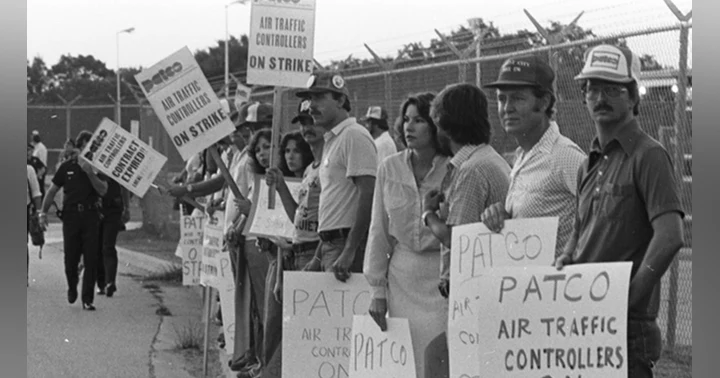
ATC: 45 Years After the PATCO Strike