FAA & Controllers Need to Wake Up
This probably isn’t going to come as a great shock to most Jetwhine readers, but air traffic controllers falling asleep on the job is not a new problem. Getting caught falling asleep certainly seems to be though. Controllers are just people though. When they’re tired, they get sleepy, just like pilots.
 What’s really disturbing about the recent rash of incidents at Washington National, Knoxville and Reno is that the only solution FAA seems to see to solve the problem of one sleepy person on a midnight shift is to add a second. Maybe one guy will shoot BBs to keep the other awake. Short of that though, a second controller on duty is only going to look like it’s solving the problem, just like FAA, tossing Hank Krakowski under a bus today as the responsible party is also a non-solution. But that’s the way big government and industry think. Someone’s head has to roll, especially when the DOT Secretary is up in arms.
News flash to 800 Independence Avenue! Controllers falling asleep is not the problem. It’s merely a symptom of the problem.
The core issue is and always has been the fatigue-inducing schedules controllers have worked since the beginning of time. Schedules normally rotate so a controller’s shift almost never begins at the same time each day, each week, a circadian-rhythm destroying strategy sure to make people doze.
In the worst portion of the workweek, a controller reports for work at 6 AM Monday morning, works until 2 PM and is required to return that same night at midnight and stay awake all-night shift. Do try this at home and watch the fun trying to make it til dawn.
Unless a controller can nap after that 6 AM shift, they might well be up for as much as 28 hours before they return home. The issue really is about much more than feeling a little sleepy too. Alertness Solutions’ President Leigh White says, “Just a four-hour sleep loss can impair human performance equal to drinking a six-pack of beer, or about 0.095 in driving terms.” That means sleepy controllers and pilots are operating with a brain that functions as if they were legally drunk.
Remember the crash in Lexington a few years ago when the Delta Connection aircraft took the wrong runway for takeoff in the dark completely unnoticed by the only controller on duty? That controller said one reason he never noticed the pilot’s mistake was because he was working one of these crazy shifts and had managed only two hours of sleep in the previous 24. Forty-nine people died in that crash.
White said, “It’s not a surprise to me that controllers are falling asleep [on these schedules]. It is also very difficult to rely on an individual’s personal perception of their own state of fatigue. There’s really no silver bullet to avoiding fatigue, but a consistent schedule that establishes regular routines is a huge benefit.”
So if all it takes is a consistent work schedule of some sort, why didn’t the agency implement one long ago? Here’s the rub. For the most part, air traffic controllers like the work schedules just the way they are, thank you, because they afford them the most free time. Controllers normally work midnight shifts as their last day of the work week — their Friday so to speak.
FAA has been relatively lucky with fatigue issues, but it’s clearly time to change, especially since coincidentally, the agency is trying implement new time and duty requirements on commercial pilots.
White has a few recommendations to build a true fatigue risk management program, often part of a Safety Management System (SMS) FAA will also soon demand for aircraft operators. The agency also does not have one of these in house either.
“When you’re talking about a fatigue risk management program, you need to influence the people affected,” White told me. “They must truly understand how fatigue is affecting their job performance. Then you need to look at the politics of the organization itself and finally, begin establishing appropriate schedules. The mechanisms and outcomes of fatigue and circadian rhythm disruptions are well know. This isn’t rocket science.”
Perhaps this current rash of snoozing controllers will make controllers and management sit up and take notice. We know it got Randy Babbitt’s attention. The controller’s union – NATCA – and FAA management have been looking for ways to work more effectively together. Here’s a great place to start. Make this work NATCA and you’ll garner the respect of the public and some great PR. And if FAA management can bring this all together, Capt. Babbitt won’t need to look for a new job.
Rob Mark, Publisher
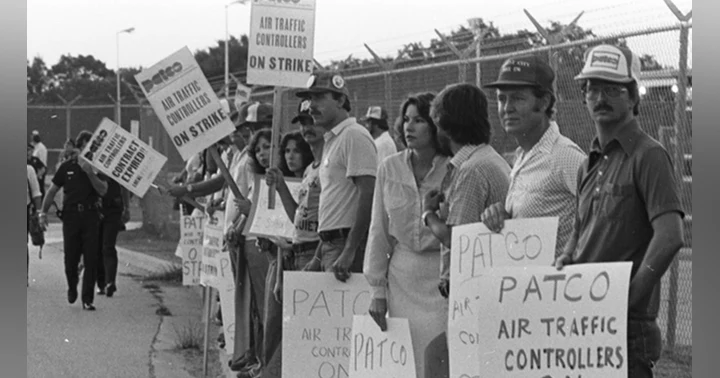
ATC: 45 Years After the PATCO Strike