New Rule ‘Advances’ Pilot Training Back to the Fundamentals of Flight
Responding to the tragedy of Colgan Flight 3407, the FAA has issued a final rule that “is a significant advancement for aviation safety and U.S. pilot training,” says Transportation Secretary Anthony Foxx in the FAA news release.
 Really?
To quote the FAA release, the new rules requires these stick-and-rudder skills: “ground and flight training that enables pilots to prevent and recover from aircraft stalls and upsets” and “expanded crosswind training, including training for wind gusts.”
The other requirements all have to do with paperwork, such as “tracking remedial training” and “more effective pilot monitoring,” which is important in assessing blame after unfortunate pilots have a problem related to their lack of current stick-and-rudder skills.
Can I really be so old that the skills my instructor reinforced with practice on almost every lesson—recovering from stalls and unusual attitudes—are now considered advanced training? And landing in a crosswind, at least at most of the airports I called home, was not a special skill. When I was flying in the Kansas City area, landing without a crosswind was the challenge.
Perhaps I am. I learned to fly in the last decade of aviation’s analog era. Back in the 1970s, headsets were the big thing. That was also when the pilot population started its decline, so industry started easing the requirements to make private pilot training less intimidating. Who remembers the heated debates on the need for spin training?
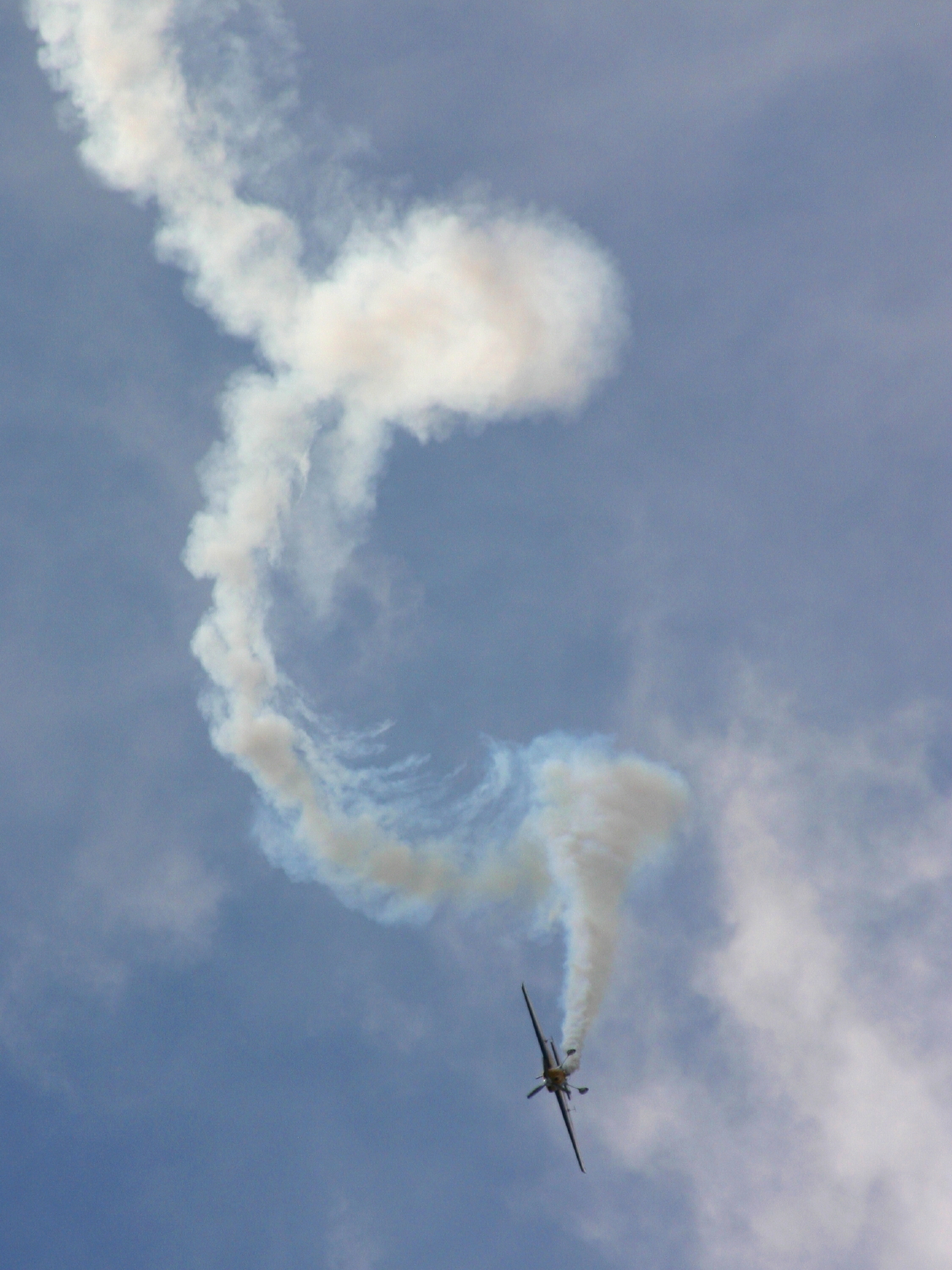 Or maybe it’s where I learned to fly. Before my instructor would solo me I had to demonstrate a consistent ability to recover from stalls and unusual attitudes, including spins. It was a game I really came to enjoy. With my head down and focused on my lap-bound hands, he’d do his best to mess up middle ear while putting the Skyhawk in some on-the-edge-attitude. Then he’d yell go, and I’d have to look up, take the controls, and recover to straight and level flight. It was fun, and I enjoyed the challenge. As I became more proficient at it, the goal was to lose as few feet of altitude as possible.
Then the digital era dawned and technology seemed to hypnotize pilots and their instructors and their examiners with its unblinking glass stare and the autopilot’s superior flying ability…in most situations. Over the past decade it seems that the pendulum of the stick-and-rudder skills are are the fundamentals of flight in all aircraft has been drawn ever closer to technology’s electromagnetic field.
It’s only right that the pendulum has crept back a bit toward hands-on flying. It can only improve aviation safety, and I’m sure it will make pilots happy. If there’s one complaint I here most often from them, especially if they fly commercial aircraft, is that they are no longer pilots but system operators. Several actually agreed that they were drone pilots who went along for the ride.
But to be accurate, we should not classify this return to the fundamentals of flight as an “advancement.” A better term, in my editorial mind, would be “correction.” — Scott Spangler, Editor
ATC: 45 Years After the PATCO Strike