Safety Management System: NTSB Most Wanted is Big Investment With Little Return
The NTSB just published its top-10 Most Wanted improvements to transportation. Beware of Number Three, Safety Management Systems, aka SMS. For newcomers, here’s the FAA definition: “SMS is the formal, top-down business approach to managing safety risk, which includes a systemic approach to managing safety, including the necessary organizational structures, accountabilities, policies and procedures.”
 Canada started requiring SMS for all modes of transportation in 1998. Aviation’s turn came in 2005. Approved maintenance organizations (AMOs, what we call repair stations) that serve commercial operators were up first. In talking to two them, I learned two things: setting up an SMS is expensive, and it is all about the paperwork.
In ballpark numbers, it cost an Alberta AMO an estimated $500,000 to set up the system, and its annual operating expenses run into six figures. An Ontario AMO estimates its cost at $75,000, but this does not include billable time lost to analyzing, planning, putting the system in place, or training the staff to use it.
The kicker, says the Alberta AMO, is that the benefits of a safety management system are not yet quantifiable. “Accident and incidents have always been extremely low, making a statistical analysis of trends unreliable. Longer term or industry-wide trending may be required to show benefits.” Until that time, he said, what stands out are the liabilities, the system expense and administrative burden. And its coming soon to US airports and aircraft operators.
FAA rulemaking on SMS started in 2009. It issued an NPRM, SMS for Part 121 Certificate Holders, on October 29, 2010. Its public comment period closed on March 7, 2011. The FAA is now reviewing those comments. The FAA issued its NPRM, SMS for Certificated Airports, on October 17, 2010. It extended the public comment deadline to July 5, 2011.
It would be a safe bet that once SMS has taken root in commercial air transport that it will trickle down to general aviation. After all General Aviation Safety was another of this year’s NTSB Most Wanted.
 The SMS seed was first planted at ICAO, and its spreading worldwide, like bureaucratic kudzu. In reading about its four “pillars,” SMS smacks of corporate continuous improvement schemes that generate a lot of paperwork, which counts as productive work in companies that employ such programs. In my experience with them, once the paperwork is delivered up the chain of management, little else happens, including the implementation of the improvement that was the subject of the whole process in the first place.
Perhaps the most important thing I learned from the hundred or so hours of continuous improvement training I received was the concept of “margin of error.” The statisticians who were training us even provided the formula. What stuck in my mind, however, is that in the real world, no matter what you do, stuff beyond your control happens. You can invest millions in trying to prevent it, but it still happens.
A less stressful, more efficient and economical solution, they suggested, is to work to the margin of error and then deal with the stuff that happens. And maybe that’s where we are with aviation safety in both commercial and general aviation. I think many pilots, mechanics, and technicians could deal with this. Unfortunately, these decisions are made by those who measure their productivity and justify their existence and essential participation in paperwork. — Scott Spangler
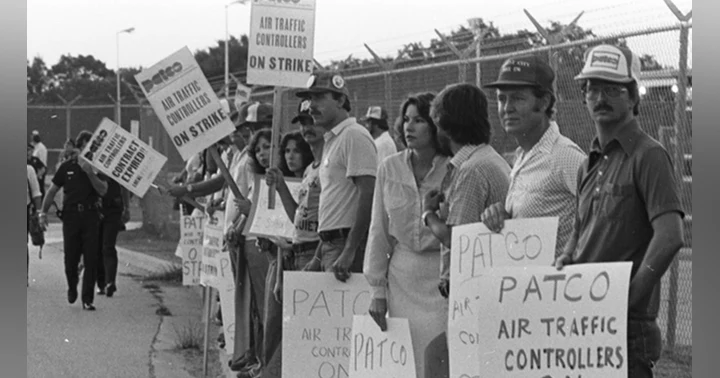
ATC: 45 Years After the PATCO Strike