Students Control Flight Training’s Costs
 Several days ago a JetWhine reader, James, emailed this question: How much does recreational flight school cost in Michigan? What things should I be considering before going ahead?
No matter where you live, calculating the cost of learning to fly with any accuracy is impossible because the equation is filled with variables that multiply the fixed costs of aircraft rental and instructor fees. The good news is that students can control these costs by mastering the variables.
This control applies regardless of the pilot certificate you seek–sport, recreational, or private pilot–or aircraft you wish to fly, fixed-wing, rotorcraft, trike, or powered parachute. And it’s true whether you’re seeking initial training or a more advanced rating or certificate.
 Frequency, how often you fly, is the critical factor. Learning to fly is a process of melding unfamiliar knowledge and skills in a noisy, three-dimensional classroom. It’s a building-block process where you add one skill to the next, and how quickly you master them depends on how much time passes between one lesson and the next.
 If you fly everyday, the previous lesson is fresh in your mind and muscle memory. In connecting adding new skills, you practice those already learned in a steady climb to a learning plateau, a respite in the learning curve that all students reach before resuming their educational climb.
If there’s a break between lessons, you spend part of the lesson relearning the skills previously introduced. How long that takes depends on the break; the longer you’re away from the classroom, the more time you’ll spend reviewing and refreshing what you’ve already learned.
There is no accepted measurement or percentage of review based on lesson frequency. (It would be an interesting study, however, for one of aviation’s alphabet groups or university programs.) In the end, it really doesn’t matter, whether you fly once a week or once a month, the result is the same: It takes you more time (and money) to master the necessary skills.
 Perhaps more important is that students must be brutally honest with themselves, and their families. Compared to most recreational activities, learning to fly is a complex, long-term process that requires a substantial investment of time and money. This is especially important to those who wish to fly for fun because, for most people, these discretionary accounts are limited.
Anecdotal evidence shows that more than half the people who start flying lessons never finish because they didn’t fully understand or appreciate the commitment it takes to earn your wings. Becoming an aviator is a rewarding and eminently worthwhile lifetime investment, but for it to pay off you must reach the initial goal of earning a pilot’s certificate. Fall short, and the pleasure derived from your investment stops stops with your training. — Scott Spangler
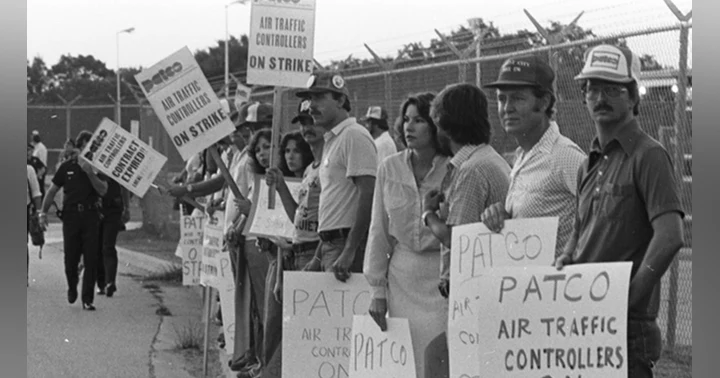
ATC: 45 Years After the PATCO Strike