VLJ Training Means Thinking Differently; Survey 2
Bob Barnes is already looking at VLJ training from a different perspective, one way he hopes to prevent a rash of human-caused accidents once aircraft deliveries surge to low-time pilots as I mentioned a few weeks back,
 And as the voluntary chairperson of the International VLJ Training Stakeholders’ Discussion Group, he’s actually not alone. Most of the group’s members are also worried that the VLJ may experience a surge of early deliveries and rapid growth followed by a series of tragic and preventable accidents. They’d like to help stop that by developing a series of VLJ training best practices.
The early results of the group’s first survey last month – nearly 400 people took part – revealed virtually all members believe the need for some sort of VLJ training best practices are vitally needed to prevent a redo of early Piper Malibu-like crashes that soon focused around questionable training standards when they were sold to low time pilots.
This new VLJ training group has now organized a second survey to begin digging deeper for the insights to keep VLJ operations accident free while they begin developing data and ideas succinct enough that major aircraft manufacturers, training providers and regulators will support them.
Here’s your chance to offer up opinions on some of the burning questions; should a mentor pilot be a CFI; will that mentor pilot fly as PIC; who should even be labeled a mentor pilot in the first place? Insurance providers are also expected to weigh in heavily on required training and standards developments before they’ll let new customers blast off by themselves.
Click here to take the second VLJ training survey and make a difference in how this new segment evolves. At least three hundred people from all over the industry working together to develop solid science with answers that might well save someone’s live when they’re implemented.
In case you’re wondering how the aircraft builders may take to a bunch of researchers and pilots trying to solve this outside their company, you may find comfort in knowing that many of the VLJ building and operational people are playing a role in this research even if they aren’t flashing their company cards around.
If you have something to say about VLJ training, this is your chance. At a minimum, every pilot, every instructor should take a look at the group’s survey. we’ll report the results back here when they’re complete.
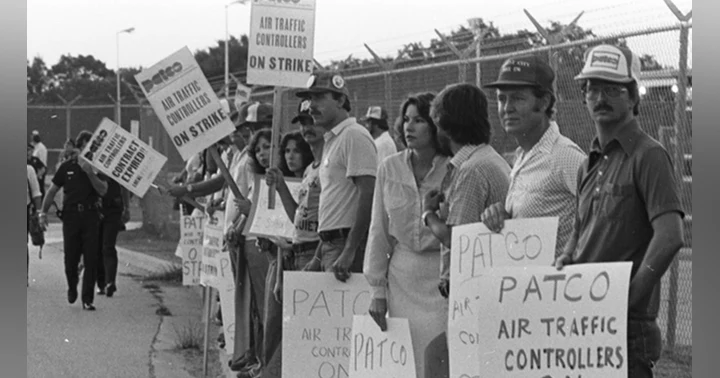
ATC: 45 Years After the PATCO Strike