Being There: UAV Crews & Combat Valor
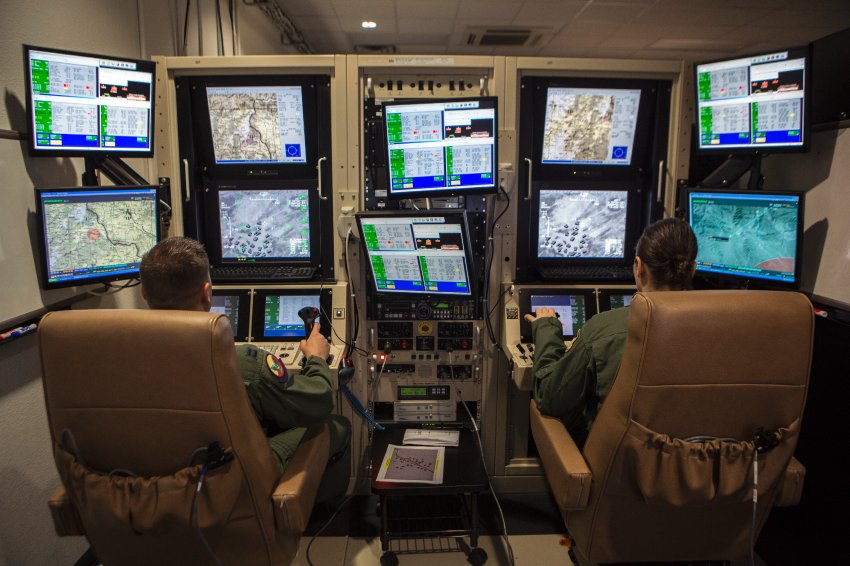 Bowing to pressure from military and veterans groups who clearly don’t understand the rigors of combat at the controls of armed drones, Secretary of Defense Chuck Hagel has replaced the proposed Distinguished Warfare Medal with a device that will be affixed to an existing award.
The award’s ranking relative to other military awards was part of the opponents’ complaints, but they revealed their true motivation when they called it the “Nintendo” medal. What matters most to them is “being there” in battle, and all they see are the drone pilots’ distant duty stations.
As the number of combatants suffering from post-traumatic stress syndrome increases, everyone should accept that the consequences of combat are more than physical. In this regard, remote pilots and their enlisted system operators share an intimate relationship with death unequaled, except by snipers, who also see the faces of their targets.
Most of the combat pilots I’ve talked with over the past 40 years have said their battles are fleeting and faceless (less so for helo pilots). UAV pilots often spend hours watching the enemy, getting to know them up close and personal, before they pull the trigger. Then they wait for their next targets, reinforcements who arrive to clean up the carnage.
All combat is emotionally stressful, and recovering from a fight with arms-reach compatriots provides some degree of coping with it because they understand the experience. Critics dismiss the stress of UAV combat because the crews go home to family and friends after their duty shift.
 Tell me, what would you say, after flying for hours and ending the lives of people you’ve watched for several hours, or several days, when your spouse or children ask about your day? Those who dismiss the taking of any life by saying bad guys deserve to die have certainly never pulled the trigger on another human being.
Like too many people, when thinking of UAV combat I didn’t look past the technology. Then last February I read a thought-provoking report in The New York Times, “Drone Pilots Are Found to Get Stress Disorders Much as Those in Combat Do.”
The Air Force studied the electronic health records of 709 drone and 5,256 aircraft pilots between 2003 and 2011. “After analyzing diagnosis and treatment records, the researchers initially found that the drone pilots had higher incidence rates for 12 conditions, including anxiety disorder, depressive disorder, post-traumatic stress disorder, substance abuse and suicidal ideation.”
Warfare changes with technology, and those who don’t contemplate and attempt to understand its nuances easily dismiss it with disparaging generalizations. Ultimately, these critics, the successors of those who labeled veterans of the war of my generation baby killers, flaunt nothing more than their unfeeling ignorance. — Scott Spangler, Editor
ATC: 45 Years After the PATCO Strike