Do Pilots Still Fly for Fun?
 A good question, posed by Matt Thomas in his comment about New Book Holds Hope for Aviation’s Future. “Do they risk finding other things to do that are perhaps more fun?” he asked on the next line, referring to pilots in general and not the subject of the book, which is the further misadventures of the Kansas City Dawn Patrol, a decades old group that lives for fun flying.
What ignited Matt’s questions was FAA demographic data for 2007 that said the average student pilot was 34 years old, the average private pilot was 48, and the average recreational and sport pilot is 52.
 “I’m guessing by their ages,” Matt wrote, “that a large segment of the pilot population is not on a career path to the airlines, so they might just be flying for the sheer joy of it, which is great.”
He went on to wonder if PC flight simulators and RC models were siphoning participants from full-scale flying, “and I’m not even mentioning all the non-aviation things that clamor for our attention.”
The short answers to to both questions is yes!
 Like the population of baby boomers, pilots at all levels of experience has been getting older. The stereotypical teenage student pilot still exists, but this age group has always been a minority. Most often they are the offspring of active flyers and grew up with airplanes, or gliders, or helicopters, or ultralights.
The average student pilot comes from a non-flying family, and they satisfy their aerial urges when their discretionary income allows. In other words, after college and before starting a family. Others have to wait until the kids are older, or out of the house.
What the FAA data doesn’t track is activity. How many pilots learn to fly at 34, stop flying while raising the family, and start again at 48, when the kids are older, or at 52, when the kids are out of the house, and the pilots can reclaim some of the discretionary income? I’ll bet the percentage is high.
FAA data also support Matt’s observation that the plurality of pilots fly for fun. In the annual dissection of GA flight hours, the “personal” category is the biggest number. Personal flying accounts for all the hours that don’t fall into other categories, like business travel.
It is great that most pilots fly for fun, and in general aviation that’s been the case since the end of World War II. And this is why the pilot population is shrinking, because flying for fun depends on discretionary dollars, and each year more pilots quit because they can’t afford it or, to a lesser degree (I’m guessing), find it not worth the investment.
Based on research done about a decade ago for some stories, rare is the simulator or model pilot who progresses to full-scale flying. Many hardcore participants spend more on their virtual and scale flying machines, and they have no interest in “getting real” because it is boring. And, compared to flying virtual combat or a scale acro machine that will hover, it is.
There is no definitive answer to the question whether pilots risk finding things to do that are more fun. Anecdotal data suggests that the risk is real.
Only the truly hardcore pilots live by airplanes alone, and they will sacrifice much to keep flying. Most people have several discretionary interests, and when time and/or money are tight, they invest in those interests that give the most satisfying economical return. —Scott Spangler
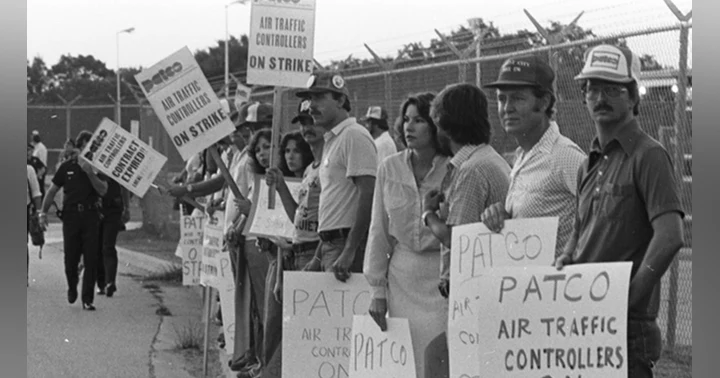
ATC: 45 Years After the PATCO Strike