FAA & Test Takers a Step Closer to Learning
Tests are an important part of the learning process because they assess the knowledge students have acquired—and retained. This measurement is as important for students as it is for teacher. As anyone who’s taught any subject for the past century or so will tell you, going over the test questions missed—replacing misunderstanding with the right answer—closes the circle of learning.
 For most of the the past century, or at least as long as it has been giving and grading knowledge tests, the FAA has not seen the educational benefits of sharing missed questions—never mind the correct answer—with test takers. The best it could do was the examination report with cryptic subject matter codes identifying general areas of deficiency. Finally, it seems, this is starting to change.
For decades the National Association of Flight Instructors, with the support of AOPA and EAA, has been talking to the FAA about changing this policy, to little avail. The latest conversations with AFS-600 about it was last August, says NAFI Executive Director Jason Blair. Then, in October, out of the blue, and with no warning, the FAA said it would give test takers a peek at their missed questions starting November 9, 2009.
A peek. That’s it. And still no answers.


Two private companies—the Computer Assisted Testing Service (CATS) and LaserGrade—conduct all computerized FAA knowledge testing at their facilities nationwide. Both got short notice of the change, but they made software changes to reflect the new FAA policy, Blair says, after talking to his contacts at each one.
Here’s how it works now. After taking the test the applicant has the option of viewing missed questions (without the correct answers) on a scrolling screen. The screen lasts five minutes and the proctor must be present during the test-taker’s review. Applicants do not get a print out of the missed questions, nor may they take notes.
This is a step in the right direction—finally—but if students cannot discuss the specifics of missed test questions with their instructors, what’s the point?
Perhaps a more important question is why the FAA is so reluctant to complete the circle of learning? Back in the early 1990s, when the tests were still paper, I bought the FAA’s explanation that it was structurally and logistically unfeasible to provide the missed questions and correct answers to applicants. But the FAA computerized the tests in late 1990s, and providing the results immediately was one of its big selling points.
 Hmm. Immediate results suggests that the computer has the answers and could easily produce a missed-question-and-answer report with overall results. Yet, Blair says, over the past few years NAFI has broached the subject to the FAA four times, and each time gotten the “logistics” and “structural” explanation.
But the FAA did change its policy, so it is a first step for which the FAA should be commended. But the policymakers still have a good way to go if they want to earn apples from students and teachers who want to benefit from every learning experience possible to make flying more rewarding—and safer. — Scott Spangler
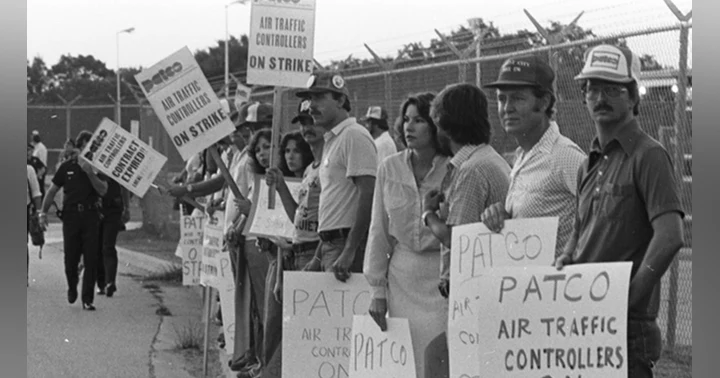
ATC: 45 Years After the PATCO Strike