Flight Instructors: What’s in Short Supply is a Reason to Teach
 When the airlines start hiring, it doesn’t take long for flight schools large and small to start wailing about the shortage of certificated flight instructors. As FAA airmen certificate data proves, this is utter nonsense.
More pilots hold current flight instructor certificates today than any year in the past decade. And here’s something to think about: As the number of active airmen has declined, the number of CFIs has increased.
In 1997 there were 616,342 pilots, and 78,102 of them, 12 percent, also held a teaching certificate. In 2006, the most current data, there were 597,109 pilots and 91,343 CFIs. So, a 3 percent decline in the pilot population resulted in a 17 percent increase in the number of current flight instructors.
Over the same period, the number of student pilot certificates started at 96,101, peaked at 97,736 in 1998, slid to 84,866 in 2006. This begs the question: Can there be a shortage when CFIs outnumber students?
Obviously, we have more than enough qualified teachers. But few, nobody really knows the number, teach for a living.
Nearly 600 teachers of flight have earned a Master Instructor designation from the the National Association of Flight Instructors (NAFI). Working with the semi-educated guesstimate that one in 10 active instructors earns this designation, there are roughly 6,000 active CFIs. That means the other 85,000 CFIs are keeping their hard-earned tickets current. I’m guessing again, but in today’s world the only thing that would get them back in a flying classroom every day would be a furlough or layoff.
The question is why?
Having witnessed previous “shortages,” all the current wailing and wringing of hands proves is that aviation never learns. Flight schools and industry pundits readily describe flight instructing as a dues-paying, steppingstone job that pays food stamp wages. And then they are surprised when their teachers pursue a right seat position that pays just a bit more than the poverty level. When this happens, as they always have before, everyone talks about CFI retention through better wages and benefits…and here we are again, talking about the shortage of flight instructors.
But CFI pay and benefits never seem to change, even in a tight market.
What’s ironic is that flight schools created the shortage they now face. The seeds for aviation’s new operating model, call it Aviation 2.0, were sown in the 1990s, when aviation degree programs started offering a direct path to the airline cockpit that bypassed the CFI steppingstone. Such programs have thinned the herd of bright, passionate young men and women following the traditional aviation career path, the dues-paying new CFIs that made Aviation 1.0 possible.
Compounding this ironic twist is the chronic financial turmoil wracking the airline industry. Given its uncertain future, many bright young men and women are applying the talents to more rewarding careers on the ground.
So, yes, in one regard there is a shortage of new flight instructors and–as the declining population indicates–a shortage of new pilots period. If there is one challenge Aviation 2.0 must meet to have a future, we must give people solid reasons for taking to the sky whether they be a teacher or a student.
Technorati Tags: Flight Instructor,CFI Shortage,Flight School,Aviation Career,Airline Job,Aviation 2.0,NAFI Master Instructor
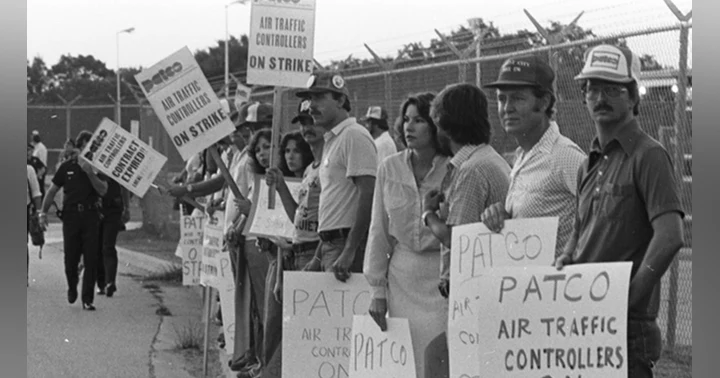
ATC: 45 Years After the PATCO Strike