In Aviation, a Little Bad PR Goes a Long Way
I can only wonder what truly dumb move will be next from the folks running  some of the U.S. auto makers now that both Ford and GM have decided to work together for the first time. No, I’m not talking about building an F-150 Tahoe-like vehicle,
  which, come to think of it, might not be such a bad idea.
Nope. In a storm of brilliant corporate strategy, the two former auto giants today – almost simultaneously – coordinated the shutdowns of their two flight departments, flight operations that had been in business providing transportation solutions to auto executives and customers for decades.
It would be easy to file last week’s appearance by the CEOs of Ford, Chrysler and GM before Congress, hat-in-hand after a quick trip from the airport where they’d been deposited aboard a company-owned airplane as simply bad PR. As much as I don’t like to defend these bozos, they were only doing what they’d always done, use the corporate airplane to save time and money on necessary transportation.
But as any good public relations practitioner will tell you, perception IS reality. And the arrival aboard corporate airplanes to ask for cash to fund more bad strategies looked like, well, just another bad strategy.
The three former Big Three automaker CEOs were in town to plead for a taxpayer bailout lest the automakers dry up and blow away. No mention, of course, that the reason the auto folks were even in Washington was because of hundreds, if not thousands, of dumb decisions over the past few decades, the chief one being that they all seem to be superb at building automobiles that no one wants.
As I have pointed the finger at the airline’s when they’ve made dumb decisions that affect the lives of thousands of employees, customers and shareholders, so too will I point to Ford’s Alan Mulally and GM’s Rick Wagoner as responsible for chopping up two flight departments departments that had absolutely nothing to do with the current state of the mess the auto makers find themselves.
If these two men had any guts, or the courage of their convictions, they’d have looked the panel right in the eye and said, “Yes ladies and gentlemen, we arrived aboard our corporate aircraft. We use them because we’ve learned these airplanes are smart business tools. And we’re going to keep using them as much as we can to help us reach all the places we need to in the next year so we can fix the problems we’ve all created for our customers, employees and shareholders.”
But no, they took the easy way out, pointing the finger at the closest target, in this case their airplanes and the employees that worked hard to accomplish whatever tough mission the CEOs or other senior managers dropped in front of them. Business aviation has always tried to hide their use of these machines from stockholders, fearing some might walk away with the wrong impression. A focus on education of stockholders, rather than avoidance would have gone a long way to avoid these department closings.
Don’t be surprised if other companies begin thinking reactionary like Ford and GM. We’ve all encouraged this smoke and mirrors show to some degree. Will aviation department managers learn from this little piece of board room-induced hysteria? My guess is no. We in this industry tend to want to remain in the shadows and I think this Ford-GM turncoat routine shows us that’s a train to ruin.
Pretty soon too, watch for other employees and shareholders to suffer when some of the former auto giants fail because my bet is that Congress will give them little or no cash, even though Mulally has now vowed to work for just a buck a year – down from his regular $22 million – until the problems are solved. How about all the other auto executives doing more than forgoing their bonuses as a show of solidarity to rebuild this busted industry.
I’d better quit while I’m ahead though, because before I know it I’m going to forget I’m talking about the auto industry CEOs here and not those of some of the airlines like United, that suffer from the same management vacuum as Ford, GM and Chrysler.
Well, at least the airlines didn’t ask for a bailout like the auto industry – or at least not lately.
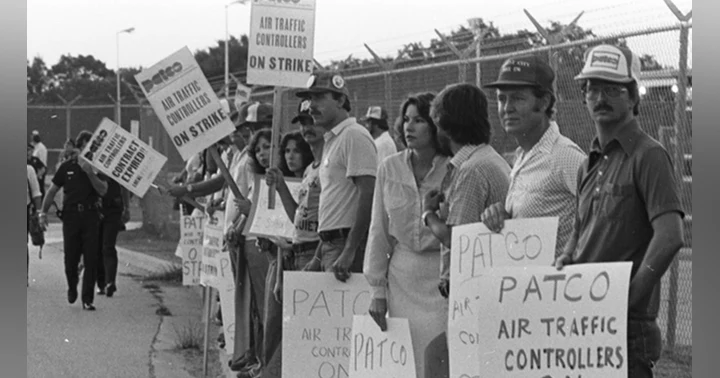
ATC: 45 Years After the PATCO Strike