Monday Morning Surprise at Flight Schools
 Wandering around Addison Airport, a busy Dallas-area reliever, one Monday morning in late April, I dropped in, unannounced, at the airport’s four flight schools. Given the day and hour, I assumed they wouldn’t be busy and would have time to talk. Surprise is an inadequate word to describe their bustling student activity, that they offered warm, sincere greetings when I walked through the door, and that they took time to talk, even when they learned that I wasn’t a prospective student but just curious.
Monarch Air runs a fleet of Garmin G1000-equipped Cessna 172s and a similarly-equipped flight training device. Touring the facility and ramp, the instructors were mostly in their 20s and the half-dozen students I saw ranged from an equal age to double it. Everyone seemed engrossed in their particular lessons, but the body language of both students and teachers spoke the loudest: they were serious, but having fun. Smiles and shining eyes don’t lie.
 Similar environments and teaching activity awaited me at Airline Transport Professionals (or ATP) and American Flyers. Both offer professional and personal training, and both were in session during these two visits. The students I saw at ATP looked like they were somewhere on either side of 30, except for the guy in the school’s computer testing facility. A Piper Seminole was parked on the ramp, and I assumed the student I saw briefing with his instructor would soon slide into its left seat.
 More than the student activity surprised me at American Flyers, which has two facilities at Addison. One, complete with a next generation Boeing 737 flight training device, is dedicated to its international students who, after a six-month training course, return home where they transition into the right seats of commercial aircraft. Of all my visits, this facility, which is also American Flyers’ headquarters and maintenance base, was the busiest, with classes that average 20 uniformed students in training full time.
American Flyers’ second facility serves U.S. personal and professional students, and its activity was on par with Monarch and ATP. Surely this was an atypical Monday morning. Maybe everyone was taking advantage of the lovely 80-degree sunny day or trying to get in one more lesson before the series of overlapping TFRs attending the opening of the Bush Presidential Library shut things down a few days later. Nope, said officials at all the schools, it was a pretty typical Monday.
 The activity at the last school I visited met my stereotypical expectations, idle airplanes on the ramp and a buzz of maintenance activity in the hangar. The weekends, however, are a different story said the guys at US Sport Aircraft, which provides private and sport pilot training in a Cessna 172 and a fleet of Sport Cruiser light-sport aircraft, for which it is the US representative. Most of their students are older, with many transitioning from bigger and more expensive aircraft to the lighter, economical LSA.
Contemplating these visits that contradicted my expectations, it seems that people of all ages are still interested in learning to fly and willing to invest the time and money needed to fulfill their personal and professional desires. But, I wondered, is this happening across the country or just in Addison, Texas? — Scott Spangler, Editor
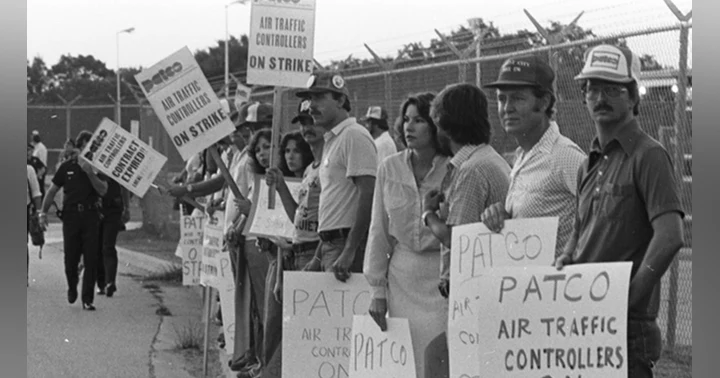
ATC: 45 Years After the PATCO Strike