The new FAA: Will we?
 It’s another frosty night in Chicago, but I stayed at work late to write because the issue of who will become the next FAA Administrator is really gnawing at me. Like the November election, this administrator choice is going to be an important one because it’s high time we called the agency what it truly is, or at least has been for most of the past two years … functionally locked in a dysfunctional holding pattern. Despite thousands of hard-working people – yes, even a few are my friends – and a rich history, my guess is Bobby Sturgell’s pseudo-administrator role will make history as one of the least-effective in 50 years … 52 speeches in 2008 and plenty of promises, but few other tangible results.
In all fairness, Bobby doesn’t deserve all the heat for being stuck between a rock and a hard place. The ultimate responsibility rests squarely with the White House. In addition to FAA, President Bush left dozens of other federal agencies similarly leaderless. The new FAA administrator will have his or her work cut out for them. Realistically though, we should be worried because with the state of the economy, transportation and aviation specifically, may not rank as high on the list as we’d like.
President-Elect Obama chose Republican Ray LaHood from Illinois for DOT Secretary, a move that should be making plenty of aviation people a tad uncomfortable right now, because LaHood is no aviation guy. But he does seem to be good at funding projects. These days, of course, almost every politician seems ready to write a check for almost any amount, so that might not mean as much as it used to.
To us, the men and women to whom aviation is not just a job, but a life, the administrator will be critical, probably more critical than at any time since the agency was formed. Take your pick of the problems we face that have nothing to do with the economy; the TSA’s Large Aircraft Security program that threatens to homogenize the face of business by putting us as far behind the eight ball as the airlines, or the ATC system improvement plan that FAA has been talking about for 20 years, or the need to sit down and settle a number of grueling employee labor issues that affect tens of thousands of agency workers … and hence us.
These days, the folks in charge at FAA make it sound like technology will fix just about everything that ails us. But new technologies alone won’t fix this industry and certainly not this agency. People will fix the problems. Dealing with people has never been FAA’s strong suit though because the place has been built by thousands of ex-military leaders who long ago forgot that ordering people around doesn’t work very well. Just ask the controller or inspectors unions.  They’ve basically been shoved into a corner for two years. And labor negotiations are going to be pretty tough this year, despite a Democratic administration. Count on it.
At his blog SimpliFlying Shashank Nigam wrote about a few of the lessons the airline industry could learn from the presidential campaign of incoming President Barack Obama. The same sorts of people-based marketing lessons could be just what the FAA needs to shake off the dusty ambivalence of the past 10 years. But that is going to take something the agency has lacked for a long time, serious leadership.
Will Barack Obama, Rahm Emanuel and the DOT Secretary crawl as far out on a limb for change by real hiring leaders as they seem to have done in some other departments? Right now, we’re all sitting here with our fingers crossed, hoping the new administration, even with all the other major issues on its plate, will not be hasty in their decision by choosing a leader who knows little of the problems we face. We hope Mr. Obama chooses someone who is more than a friend of a friend. We need more than an administrator, we need a solid leader (Sorry, I think I used FAA and leader more than once in that sentence. It all just got away from me.)
Mr. Obama’s campaign slogan was an easy, engaging one, “Yes we can.” For the sake of the people who have helped U.S. aviation become the most impressive example of air transportation in the world, I’m think we need to alter that just a bit. “Yes we can,” needs to morph into something more like, “We sure as hell better.”
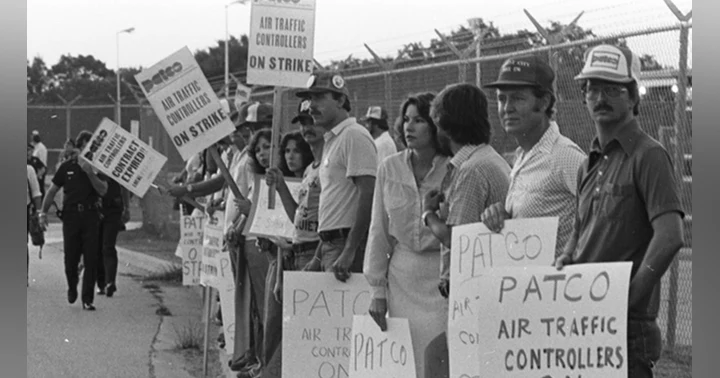
ATC: 45 Years After the PATCO Strike