Unprofessional Airmanship Redefined
Remember when we called those two Northwest Airlines pilots who missed Minneapolis a few years back unprofessional because they were playing on their laptops instead of flying? We poked fun at them of course and well, no one was hurt … except for the pride of these two supposed professional aviators. But maybe we should have been tougher.
We talk a lot about professionalism these days, mostly because us old guys think many of the younger folks coming up the line don’t understand the meaning of the word. Perhaps they don’t because we’ve never taken the time to explain it … literally. I guess most of us never thought we needed to, but now I’m convinced that there are pilots jumping into some pretty large airplanes that seem completely unaware of their role as professional aviators.
 Case in point is the Air India A321 on a recent flight between Bangkok and Delhi in which the two pilots actually left the cockpit of the aircraft within moments of each other at FL330, leaving command of the airliner in the hands of two non-pilot flight attendants. The pilots were both out of the cockpit for almost 40 minutes before one of the young flight attendants turned off the autopilot inadvertently and sent the two licensed aviators scurrying back up front. The two pilots as well as the two flight attendants were later suspended from work for their actions. None of the passengers knew what had happened until they read it in the newspapers.
To call this act unsafe is utterly too simplistic.
Despite the fact that most aviation accidents today are caused by pilot error, we’ve apparently reached a new low in professional pilot stupidity. What could possibly possess two high-time pilots to think that getting up mid-flight and leaving the fate of the 166 aboard to the two female seat monitors who were not even pilots was OK? My guess is this was not the first stupid decision these two made and more importantly, professionalism has nothing to do with the size of the aircraft someone flies.
Professionalism is a way of thinking about your work. Professionals don’t just understand the tasks they’re being paid to complete, they understand how all the pieces of everything in their profession fit together … and why. A professional (at least to me) understands the subtleties that produce a near perfect product or experience, whether that’s installing new carpeting in a home — clean up after yourselves and make sure everything fits before you leave — or flying an airplane near Virga — slow the airplane before you get too close since significant turbulence is highly probable. And professionals wear their label proudly because they don’t need someone to tell them what to study next or what rule to follow. They care enough to dive into their careers and learn because they want to be the best.
It’s not a surprise to me any longer that young workers require more precise instructions than we did growing up. I’ve seen it in my graduate students at Northwestern too. But why? Where did we fail them?
Is this need to hold their hands and to be told what to do and what not to do simply fallout from too much technology or is it decades of lousy, indulgent parenting skills coming back to roost?
How can we possibly be training aviators who know only enough to take orders? Maybe this is just about Air India, although I doubt it. I also doubt there is anything in the Air India cruise checklist cautioning pilots to, “Be certain at least one pilot remains on the flight deck at all times.” But do they really need that spelled out for them … literally? How can an airline or any aviation organization possibly compete in the world when employees think anything and everything is OK if there’s no specific rule against it?
If I ran a flight school training pilots today, I’d certainly want to have a chat about this incident, although the fact that we even need to have a chat about something like this simply belies the judgment we expect certificated aviators to display by the time they take a checkride. But of course, there is no checkbox on the flight test that says, “Pilot displays professional attitude in variety of situations.” Then what’s next … a rule that says, “Don’t crash the airplane before landing at the destination,” or ” you REALLY ARE responsible for all the people in back of the airplane so don’t screw up,” wink, wink?
Tell you one thing … you’d never get me on an Air India airplane … ever.
Somebody please tell me this is all just a bad dream.
Rob Mark, Publisher
Private Jet travel is more convenient and affordable than most people realize.
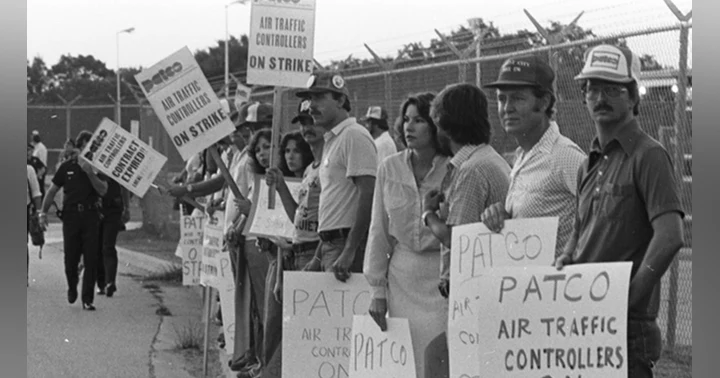
ATC: 45 Years After the PATCO Strike