Pilots, Aviation & The Paradox of Progress
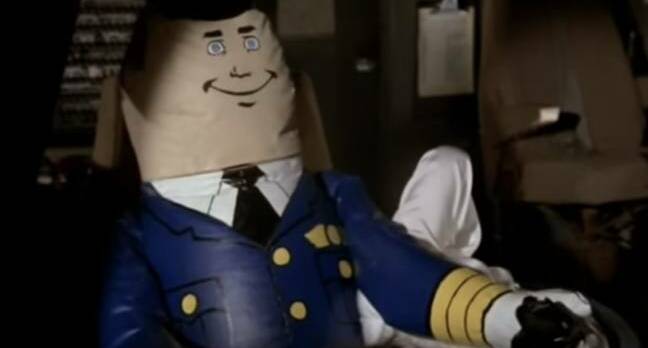 A statement or situation that seems contradictory or absurd but may be true in fact is a paradox. “Water, water everywhere but not a drop to drink!” is the paradox for mariners adrift in any ocean. For aviators, the paradox is that progress in technology that makes their flying lives easier is also reducing the number of seats for them in the pointy end of airplanes.If the paradox is not clear, it is the fact that as more and more machines replace human workers the population has increased, meaning more and more people are competing for fewer and fewer jobs.
Ultimately, “automation” summarizes the paradox of progress in a single word. It started with the Industrial Revolution and it continues today. There’s work, work, everywhere but not a job to be had because it’s all being done by machines that are more efficient and, in the long term, more economical.
Technology’s replacement of people is easily seen in aviation. It wasn’t that long ago that commercial aircraft had flight engineers, and before that navigators and radio operators. Looking forward, it should be easy to see a single person managing a commercial aircraft system, first from the aircraft itself, and then from a ground station.
Some will surely say they’d never fly on an aircraft managed in this manner. But aren’t we today cramming ourselves into commercial aircraft systems managed by the two operators who sit up front? To see the future, look back and connect the dots of technology from bonfires to beacons to satellites and from blind flying instruments to autopilots to flight management systems.
 The military has long been the proving ground for new technology, so in many regards it foretells our civil aviation future. For the past several years, the US Air Force has been training more drone operators than aircraft pilots. Unable to meet its drone needs, it has opened up drone training to enlisted personnel.
And pilot retention has become a growing problem, and the Air Force wants to significantly increase its retention payments. Why the pilots are not re-upping is a no-brainer: while commercial aircraft systems aren’t as much fun to fly, in civilian aviation they get to fly more often, and the working conditions are better—and safer. And there’s little chance of being transferred from the cockpit to a drone cubicle, at least not in the immediate future.
As much as we might dislike what the future holds, aviators cannot enjoy the benefits of technology without also accepting its consequences, at least in the bottom-line world of work. In this world, which is a jigsaw puzzle of connected pieces growing ever smaller, the companies developing the technology of progress are taking care of their workers, and the consequence of putting other people out of work really isn’t their concern.
 Aviation as we know it today will likely exist in the future, but only among those with the resources and the willingness to make the sacrifices necessary to pursue it. It would not be hard to see, 40 or 50 years from now, when a homebuilt RV-8 is the equivalent of a P-51 Mustang today.
When new technology creates more problems than it solves, we have the paradox of progress, and no industry or human activity is immune. We humans will have to find a solution when the day arrives when machines do the majority of the work and the majority of the population cannot find any way to earn a living. Until that reality arrives, the promised potential of progress seems infinite. — Scott Spangler, Editor
ATC: 45 Years After the PATCO Strike